What You Are Actually Building
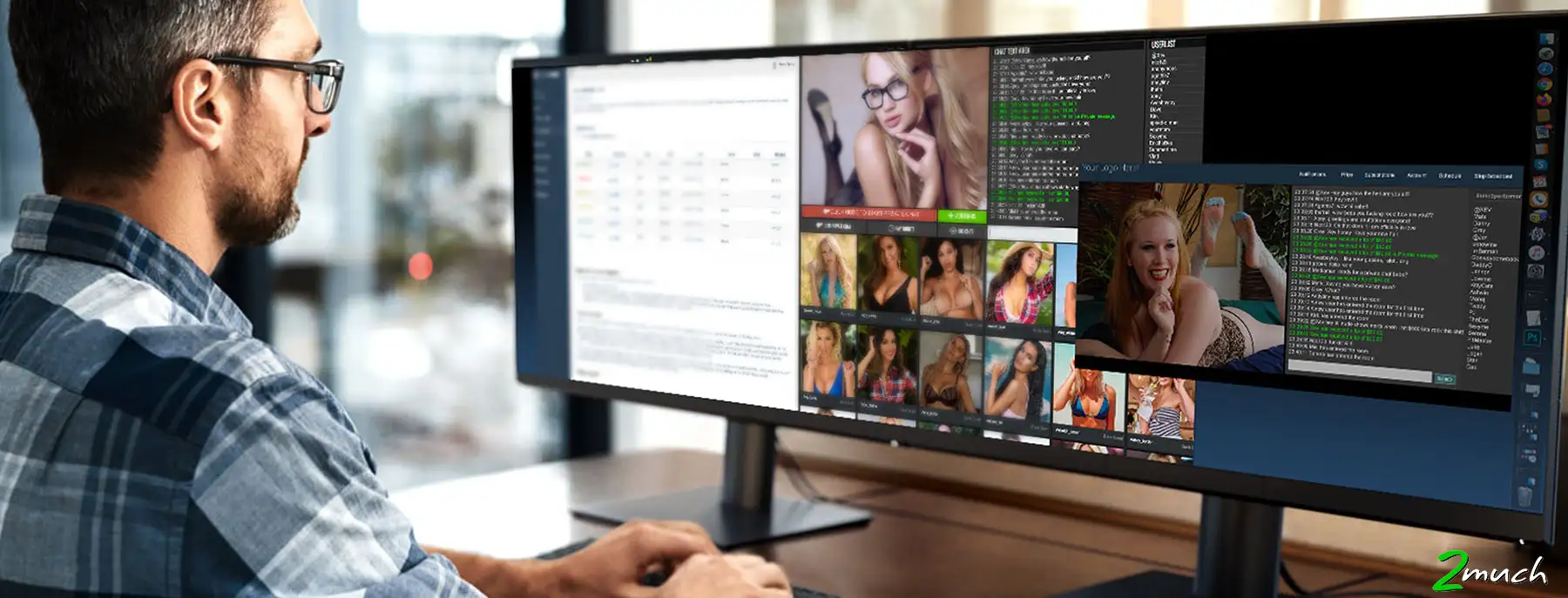
A video chat platform has three distinct components that each need to work reliably and integrate cleanly: a streaming system that handles real-time video between performers and viewers, a billing system that meters sessions and processes payments, and a platform layer that handles registration, performer profiles, scheduling, and administration.
Most people underestimate how much complexity sits in the integration between these systems. The streaming part is technically solved. WebRTC handles the video. The harder problems are metering a session accurately enough to charge by the minute, handling payment failures mid-session gracefully, and ensuring that edge cases like dropped connections, disputed charges, and performer no-shows have defined resolutions before they happen to your first paying customers.
Beyond the technology, you're also building a marketplace. That means you have two customer groups to serve simultaneously: viewers who want reliable, low-friction access to content, and performers who want to earn money without dealing with technical headaches. Failing either group early tends to be fatal. Viewers who can't connect reliably don't come back. Performers who don't earn enough in their first few weeks don't stay.
Choosing Your Niche
This is probably the most important strategic decision you'll make, and it's the one most first-time operators skip. The instinct is to build something general, reasoning that a broader audience means more revenue potential. In practice, going general means competing directly with Chaturbate, which has been running since 2011, has somewhere around 4 to 5 million registered performers, and spends significantly on SEO and traffic acquisition. That's not a fight a new platform wins.
A niche focus changes the competitive landscape completely. Instead of trying to be everything, you're the best platform for a specific audience. That's a winnable position. Examples include platforms focused on particular interests, regional audiences, languages, and established performer communities that move together from another service.
The niche decision also makes performer recruitment considerably easier. It's a much simpler pitch to a specialist performer: "this platform is specifically for your audience, the viewers already understand what you do, and we're not burying you under tens of thousands of general cam performers." That's something Chaturbate genuinely can't offer.
Think about where your performers already congregate. Reddit communities, Twitter followings, Discord servers, or even performers who are frustrated with their current platform are all legitimate starting points. A platform built around an existing community has a real advantage over one that's starting cold.
Licensing vs. Building From Scratch
Let's be direct about this. Building a cam platform from scratch is a $50,000 to $200,000 project on the low end, takes 12 to 18 months of development time at minimum, and when you launch you'll still be running software that hasn't been tested in production. Real production traffic surfaces edge cases that no development environment anticipates. Session billing failures. Browser compatibility bugs on obscure mobile devices. Race conditions in the metering logic that only appear under load. These take months to find and fix, and they're costing you money and customer trust while you do.
A licensed platform like Miricam is already in production. The billing logic has been running against real transactions. The performer dashboard has been used by actual performers who complained when something didn't work, and those complaints got fixed. You're not just buying software, you're buying the accumulated debugging that comes with years of real use.
The practical comparison looks something like this. Custom build: 12-18 months to launch, $50,000 minimum in development costs before a single paying customer, and you're on the hook for all ongoing maintenance and updates. Licensed platform: days to weeks to launch, a fraction of the development cost, and the platform vendor handles core infrastructure updates. The custom route makes sense when you have a genuinely proprietary technical requirement that no existing platform supports. For most operators, that's not the case.
The honest caveat on licensing is that you have less control over the core codebase. If the vendor makes decisions you disagree with, your options are more limited than if you own the code. For most operators starting out, that tradeoff is clearly worth it. You can always migrate later once you've proven the business model and have revenue to invest in something more custom.
Streaming Technology
Modern pay-per-minute platforms use WebRTC for video delivery. It's browser-native, requires no plugin installation, works on mobile, and delivers latency under half a second in normal conditions. You don't need to build WebRTC from scratch, but you do need infrastructure to support it.
WebRTC requires a TURN server (Transport Layer Security relay) to handle connections where direct peer-to-peer video isn't possible due to network topology. In practice that's a significant percentage of connections, particularly on mobile networks and behind corporate firewalls. A platform without reliable TURN server infrastructure will have a noticeable connection failure rate that you'll hear about in support tickets before you see it in your analytics.
For high-traffic free chat rooms, some platforms use RTMP-to-HLS transcoding, which scales better for large audiences but introduces 5 to 15 seconds of latency. Private sessions use WebRTC for the low-latency requirement. Running both simultaneously requires the infrastructure to support both, which is part of why platform licensing makes sense: these decisions have already been made and tested.
Hosting and Infrastructure
Shared hosting is completely unsuitable for a cam platform. This isn't a nuanced point worth debating. Real-time video relay, WebRTC signaling, and session metering all require consistent server resources that shared hosting environments cannot guarantee. A single busy neighbor on shared hosting can degrade your performance in ways that are nearly impossible to diagnose.
At minimum you need a VPS or dedicated server for the web and application layer, and a separate media/streaming server. The media server handles the actual video relay and is the component that will be CPU and bandwidth intensive under load. Keeping it separate from your web server prevents a spike in streaming load from taking down your payment processing and user authentication.
Bandwidth is the ongoing cost that surprises new operators. Video at 720p streams at roughly 2 to 4 Mbps. 100 concurrent private sessions means 200 to 400 Mbps of sustained bandwidth. That's not an unusual load for a moderately successful platform, and bandwidth costs add up quickly if you're not on a plan designed for it. CDN integration helps with static assets but doesn't significantly reduce the cost of live video relay.
Miricam includes managed hosting as part of the package, which handles these infrastructure decisions and keeps you from needing to become a systems administrator before you've run your first cam session.
Payment Processing
This is where most new operators hit their first serious obstacle. Adult content is categorised as high-risk by mainstream payment processors, which means Stripe, PayPal, and most standard merchant accounts won't work. Applying to Stripe with an adult platform will get your account terminated, sometimes without warning, often after you've already started taking payments. That's a recoverable situation, but an unpleasant one.
The established adult-friendly processors are CCBill, Epoch, Segpay, NETbilling, and Verotel. Each has different approval requirements, fee structures, and chargeback management policies. CCBill is probably the most commonly used in this industry and has a reputation for stability. Segpay has competitive rates and strong international coverage. It's worth reading through a payment processor comparison before you decide, because the differences in fees and approval requirements are material.
Getting approved requires a compliant site with proper terms of service, age verification, content labelling, and a 2257 compliance page in place before you apply. Processors review your site during the application process. Incomplete compliance will get you rejected or put on a slow-approval track. First-time operators often underestimate how thorough this review is.
Managing Chargebacks and Fraud
Chargeback management matters more on a cam platform than on most e-commerce sites, and it's worth understanding before you launch rather than after your first processor warning.
The threshold most processors enforce is around 1% of transactions. Exceed that ratio and you'll receive a warning. Ignore the warning, or fail to bring it down, and your merchant account gets terminated. Termination isn't just an inconvenience. It puts you on the MATCH list (formerly known as the Terminated Merchant File), which makes getting a new merchant account significantly harder for several years. Recovering from a MATCH listing while trying to run a growing platform is an experience worth avoiding.
Pay-per-minute sessions generate more chargebacks than one-time purchases for a few reasons. The billing descriptor that appears on a customer's card statement is sometimes unclear to them, particularly if they used a card their partner has access to. Sessions get disputed as "unauthorized" even when they weren't. Customers who feel a session wasn't worth the price sometimes dispute it rather than contacting support.
Protecting yourself means a few specific things. Strong session logging, so that when a dispute arrives you can show exactly when the session started, what was charged per minute, and when it ended. Clear billing descriptors on card statements, ideally with a phone number or website that the cardholder can reach to ask about a charge before they dispute it. And responsive customer service: many chargebacks that would have happened get resolved when a customer service response actually addresses the complaint. A customer who gets a partial refund or a genuine explanation often won't escalate to a chargeback. One who hears nothing almost always will.
Velocity fraud, where someone tests a stolen card with small charges, is also a concern. Basic velocity rules, IP-based rate limiting on payment attempts, and AVS matching catch most of it. A licensed platform should have these controls built in.
Legal Compliance
Operating an adult platform in 2026 involves several overlapping compliance requirements. None of them are insurmountable, but each requires specific implementation and you want all of them sorted before your first transaction, not after.
- 18 USC 2257 record-keeping requirements (US law, applies to US operators and to sites accessible from the US regardless of where the operator is based)
- Age verification for viewers in jurisdictions that require it, including the UK, several US states, and EU member states that have passed AVS legislation
- GDPR for European users and CCPA for California users: data handling, privacy policies, and the right to deletion
- DMCA compliance infrastructure: a registered DMCA agent, a working takedown process, and a documented repeat infringer policy
- Payment processor compliance requirements, which are separate from legal requirements and vary significantly by processor
2257 compliance in particular deserves attention. You need to collect and maintain government-issued ID records for every performer, with a custodian of records designated and the required statement on your site. This applies even if you're not based in the US, if your site is accessible to US visitors. Getting legal advice from someone familiar with adult industry compliance is worth the cost before you launch. The cost of a consultation is minor compared to the cost of getting it wrong.
Performer Recruitment
An empty platform earns nothing, and this is something the technology-focused guides tend to gloss over. Getting performers to sign up and stream regularly is an ongoing operational challenge, not a one-time setup task. The established platforms have performer bases built over years of operation. A new platform needs to offer something that makes it worth a performer's time to add another platform to their workflow.
The practical options are better commission rates, a specific niche audience that performs well for that performer's content, better tooling for the performer, or a direct relationship and support level that larger platforms genuinely don't offer. Going head-to-head with established platforms on general terms is a difficult proposition for a new operator. Offering 70% to 80% revenue share when the big platforms are at 40% to 60% is one lever, but it only works until you have enough traffic that performers want to be there regardless of the rate.
A niche focus makes recruitment easier in a concrete way. A performer who creates BDSM content is going to be more interested in a platform positioned specifically for that community, where the viewers already understand the content and aren't filtering through thousands of vanilla performers to find them. That's a real differentiator you can pitch.
The most reliable performer recruitment channel is direct outreach on Twitter/X, which remains usable for adult content. Identify performers in your niche, reach out with a specific and honest pitch about what your platform offers and why it suits their content, and follow up. The first 10 to 20 performers who see early success on your platform will be your best recruiters for the next wave.
Traffic and Marketing
Traffic is the hardest problem nobody talks about honestly. Most articles about starting a cam platform focus on technology and compliance, and then hand-wave traffic acquisition as "SEO and social media." The reality is more complicated.
SEO is slow, typically 6 to 12 months before you see meaningful organic traffic from search, and that's assuming you're producing real content and building actual links, not just hoping Google finds your performer profile pages. Paid advertising is severely restricted for adult content. Google Ads won't run adult traffic at all. Facebook and Instagram are essentially unavailable. Twitter/X's ad platform will run adult ads in some markets but at limited scale.
What actually works tends to be: model social media presence, where your performers promote their profiles on Twitter/X and drive their existing followers to your platform specifically. Affiliate traffic, where you pay affiliates a percentage of revenue from the traffic they send, can scale well once you have the conversion rates to make the math work for affiliates. SEO around niche keywords, where you're not competing with Chaturbate for "free cams" but ranking for something specific to your audience, is sustainable and compounds over time. Community building, Discord servers and Reddit presence within your niche, is slower but generates traffic that converts at unusually high rates because the audience already trusts the source.
SEO for a platform is its own discipline, different from optimizing a single performer page. If you want the full operator playbook on ranking a cam site, see our guide to SEO for adult cam sites.
The realistic timeline for meaningful organic traffic is 6 to 12 months of consistent effort. That's not a failure mode, it's the normal curve. Budgeting for 12 months of marketing spend without expecting it to break even quickly is an important part of the financial plan.
Realistic Startup Costs
Platform licensing for a solution like Miricam starts at around $2,100 as a one-time software-license fee, with ongoing hosting and support billed separately. Payment processor setup is free but requires a compliant site to get approved. Legal setup, if done properly, adds a few thousand dollars. Domain, content production for your site, and initial marketing are additional but modest at the start.
The total cost to reach a technically functional, legally compliant launch is achievable in the low five figures for an operator using licensed platform software. Building custom from scratch multiplies that significantly, the development cost alone runs to $50,000 to $200,000 depending on scope, and the timeline extends from weeks to many months. Neither number includes the operating costs for the first year while you're building traffic.
The cost comparison is straightforward. Licensed: lower upfront cost, faster launch, production-tested software. Custom: higher upfront cost, longer timeline, full control. For most first-time operators, the licensed route is the better starting position.
Your First 12 Months
Most platforms don't profit in year one. That's not pessimism, it's the honest reality of a marketplace business where you need to build both sides simultaneously. Managing expectations for this period is as important as the technical and legal preparation.
At 3 months, success looks like: 5 to 15 active performers streaming regularly, a small but growing viewer base, your first recurring customers, and a clear picture of which parts of the platform are working and which need attention. You probably aren't profitable, but you're learning fast and the metrics are moving in the right direction.
At 6 months, success looks like: 20 to 50 active performers, enough traffic to test which niche keywords are converting, your first affiliate relationships, and a clearer understanding of your average revenue per user. Some platforms are profitable by this point on lean operations. Most aren't yet, but they can see the path.
At 12 months, a healthy platform has some number of performers who earn meaningfully from it and advocate for it, a stable viewer base with reasonable retention, and revenue sufficient to cover operating costs even if it's not yet paying your time. That's a foundation you can actually build on.
The operators who get through that first year without burning out tend to share a few traits: they had operating capital budgeted, not just launch capital; they picked a niche they actually understand; and they didn't try to compete everywhere at once. Having 6 to 12 months of operating runway before you need to be profitable is a genuine competitive advantage over operators who need to break even in month three.
Before you start: the questions worth answering first
- What is your specific niche or differentiation? A general cam site competing on all fronts is a difficult position for a new entrant, and the marketing problem is much harder without a defined audience.
- Do you have relationships with performers, or a concrete plan to recruit them? Technology without talent doesn't earn. Your first 10 performers are the foundation everything else is built on.
- Have you budgeted for the first 12 months of operation, not just launch? Most new platforms take time to build a regular viewer base, and you need runway to get there.
- Are you prepared for the compliance requirements before you start, not after? 2257 record-keeping, payment processor compliance, and age verification all need to be in place before you accept your first payment.